
By Fuel Pump Relay 1774
Common Problems of Fuel Pump Relay
Steps to Replace the Fuel Pump Relay
How to Locate the Fuel Pump Relay
The fuel pump relay is a small but very important part in the car’s electrical system. It works like a “power gatekeeper” for the fuel pump. It gives the engine a stable fuel supply and keeps the vehicle safe. This article explains how the fuel pump relay works, its common problems, and how to replace it. It will help you understand and take care of your car better.
A fuel pump relay is an electronic switch controlled by a low-power signal. It allows a small current from the Engine Control Unit (ECU) to control a large current that goes to the fuel pump.
The relay works in four steps:
After the engine starts, the ECU keeps sending the signal to keep the relay activated.
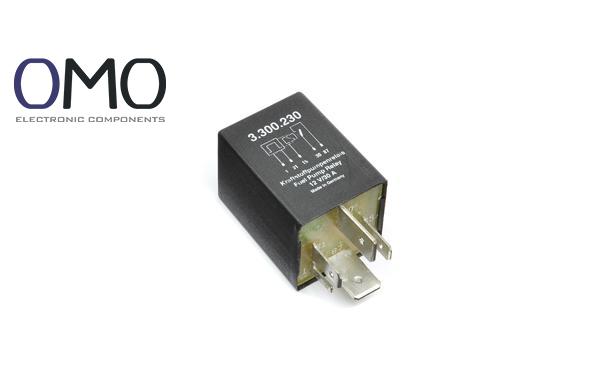
Relays are simple, but they can still fail after long use.
The relay stops working completely.
Symptoms:
The engine will not start
The starter works, but the engine does not fire
No fuel pump sound when the key is turned to "ON"
Relay contacts become oxidized (oxidation) or burned.
Symptoms:
Relay contacts melt and stick together due to electric arc (small sparks).
Symptoms:
The relay coil (electromagnetic coil) is broken.
Symptoms:
| Problem Type | Main Symptoms | Risk Level |
| Complete failure | Engine will not start, fuel pump stops working | High |
| Intermittent fault | Engine starts sometimes, may stall when driving | Medium-High |
| Stuck contacts | Fuel pump runs even after ignition is off | High |
| Broken coil | Relay does not respond, engine will not start | High |
Some high-quality relays use silver alloy contacts, which last longer than copper contacts.
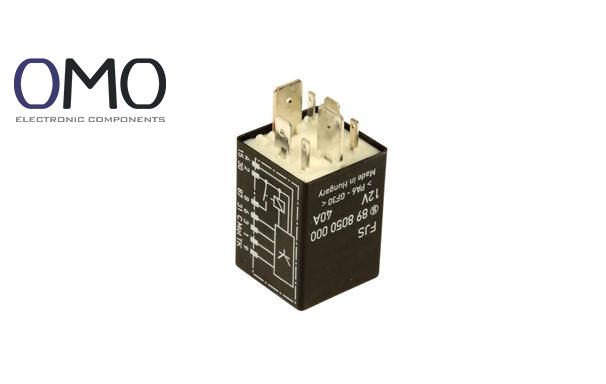
Relay contacts create small electric sparks every time they switch.
A good relay can work for about 100,000 cycles.
If the fuel pump has problems (short circuit, bearing resistance), it may draw too much current.
Some high-quality relays offer extra overload protection.
Charging system problems may create high voltage (over 14.5V), which can damage the coil.
Water, dust, or corrosion can cause:
Strong vibration in the engine bay may cause:
| Cause of Fault | Effect | Prevention |
| Normal wear | Contact erosion | Check regularly |
| Current overload | Overheating of contacts | Keep fuel pump in good condition |
| Unstable voltage | Coil insulation damage | Check charging system |
| Environment factors | Corrosion | Ensure good sealing |
| Vibration | Mechanical fatigue | Fix relay tightly |
You need:
Safety:
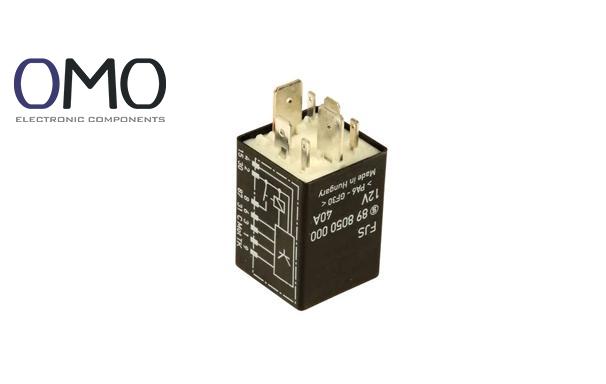
Most accurate way. Look for the “Fuse and Relay Layout”.
Some cars place it inside:
Swap with a relay of the same type (for example, horn relay).
If the problem changes, you found the correct relay.
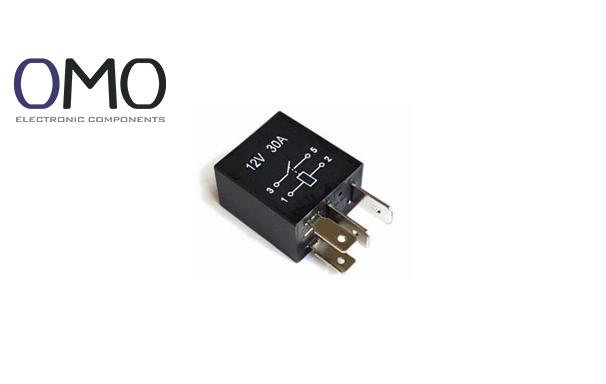
Depending on your vehicle's make and model, the fuel pump reset button, also known as the inertia switch, is installed in different spots like the trunk, beneath the dashboard, or around the passenger footwell. To access it, you might need to remove a cover panel or check inside the glove box.
You can reset the fuel pump's computer by disconnecting the battery, which clears its memory. However, if there's still a real problem with the fuel pump, the relay, or the car's main computer (ECU), the symptom will likely come right back.
The primary symptoms of a malfunctioning fuel pump relay include the starter failing to turn over, turning over weakly, or disengaging from the engine. A critical failure can result in the vehicle stalling suddenly during operation.