
By Dryer Thermal Fuse 4208
Definition of Dryer Thermal Fuse
Symptoms of a Blown Thermal Fuse
Difference Between Thermal Fuse and Thermostat
Common Reasons for Blown Thermal Fuse
Steps to Check a Dryer Thermal Fuse
Steps to Replace a Dryer Thermal Fuse
How to Prevent Fuse Blowing Again
https://www.youtube.com/watch?v=wvaki76Cjpg
The Dryer Thermal Fuse, also called Thermal Fuse or Thermal Cutoff (TCO), is a one-time overheat safety protection device. It is connected in series in the dryer’s power circuit. Its main job is to cut off the circuit permanently when it detects abnormal high temperature. This prevents fire and further damage.
The thermal fuse is an important part of the dryer safety system in both home and commercial machines. It is usually installed near the heating element or in the hot air duct to sense temperature directly. As a safety device, it does not control normal temperature. It only protects when abnormal overheating happens.
The Dryer Thermal Fuse has some clear features that are different from other temperature control parts:
The fuse works by a physical melting mechanism. Inside it has a low melting point alloy wire. This material melts exactly at a set temperature. The wire is inside a heat-resistant case, and metal terminals connect it to the circuit.
When the dryer works normally, the fuse lets electricity pass. If the dryer overheats because of poor ventilation, thermostat failure, or other problems, the alloy wire melts. It then breaks the circuit and cuts power to the heater or motor. The dryer stops working.
From a data view, this looks like a current line that suddenly stops. Normal current flows until temperature passes the limit. At that point, current drops to zero.
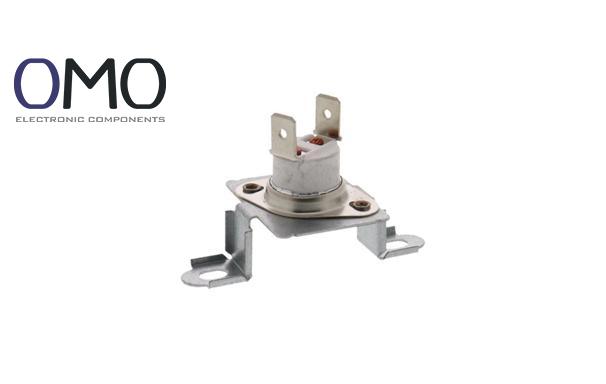
When the thermal fuse blows, the dryer shows clear problems. These help you know the fault.
Typical signs of a blown fuse are:
Other possible signs are:
| Symptom | Frequency | Cause Link |
| Spins but no heat | 65%–70% | High |
| No start at all | 25%–30% | High |
| Short run time | 5%–10% | Medium |
| Sudden stop | 5%–8% | Medium |
It is important to know the difference between a Thermal Fuse and a Thermostat. Both relate to temperature, but they are very different.
| Feature | Thermal Fuse | Thermostat |
| Main function | Safety device. Cuts circuit permanently in overheat. Prevents fire and damage. | Temperature control. Switches current on/off to keep drying temperature. |
| Reset | One-time use. Must replace. | Can reset automatically (cool down) or manually (reset button). |
| Normal state | Always on. Only breaks in high heat. | Switches on/off often during normal drying. |
| Purpose | Works in fault or abnormal case. | Works in normal drying control. |
| Action times | Usually only once in lifetime. | Many times in each cycle. |
| Cost | Low (1%–2% of dryer value). | Higher (3%–5% of dryer value). |
In a dryer’s life, the thermostat may switch thousands of times. The fuse should not blow at all unless there is a real problem.
A thermal fuse does not blow for no reason. Overheating always has a cause. Knowing these helps prevent and fix problems.
| Cause | Share | Typical effect |
| Ventilation problem | 70%–75% | Slow heat rise |
| Component fault | 20%–25% | Sudden overheating |
| User habits | 5%–10% | On-and-off overheating |
When you suspect the fuse is blown, follow these steps. Safety comes first.
A multimeter test is the best way:
Tests are over 99% accurate if done correctly.
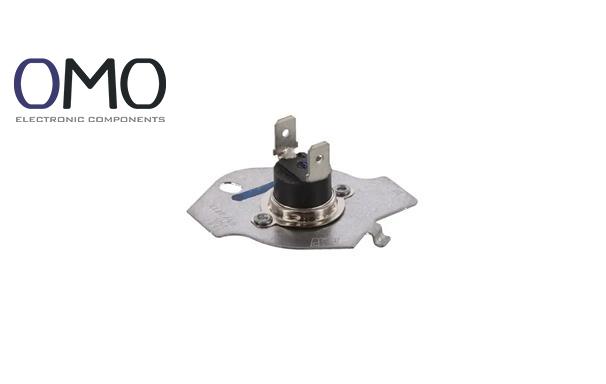
If the fuse is blown, replace it step by step.
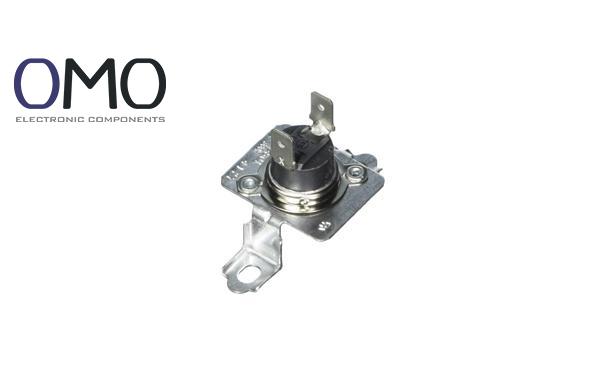
Just changing the fuse is not enough. Fix the real cause.
With these steps, fuse blow chance can be reduced 70%–80%. Maintenance cost is only 20%–30% of repair cost.
To check a dryer's thermal fuse, ensure the power is off. Find the fuse (typically by the heating element or blower). Then, using a multimeter on the ohms/continuity setting, test for continuity across the fuse's terminals.
For a faulty thermal fuse, begin by ensuring the dryer is disconnected from its power source. The next step is to locate the thermal fuse, often found adjacent to the heater or within the blower assembly. You must then check for electrical continuity using a multimeter. Should the reading indicate no continuity, the fuse is blown and must be swapped for a new one with matching electrical specifications.
Running a dryer without a thermal fuse is unsafe. This essential safety component prevents overheating and potential fires by cutting off power when temperatures become excessive.
Acting as a crucial safety device, a dryer's thermal fuse is single-use and will melt to break the electrical circuit if temperatures rise to an unsafe level. Common reasons for its premature failure include a restricted vent, excessive lint, or the dryer consistently running too hot. As a result, there is no way to estimate a specific lifespan for this component.