
By Lithium Cell 2875
Specifications and Features: Small Size, High Power
Application Scenarios: Cross-Field Compatibility Expert
Core Advantages: Three Breakthrough Technologies
Compatibility Guide: One Table for Replacement Options
Usage Manual: Tips to Extend Battery Life
Buying Strategy: Four-Quadrant Decision Method
The LR44 battery has a mini size of 11.6mm diameter × 5.4mm height. It offers a standard voltage output of 1.5V. There are two chemical types:
| Type | Voltage | Suitable Devices |
| Alkaline Battery | 1.5V | Regular electronic devices |
| Silver Oxide Battery | 1.55V | High-precision instruments |
This dual version design helps users choose based on device needs. For example, a glucometer is better with the silver oxide version to keep accurate readings.
Laboratory test data shows:
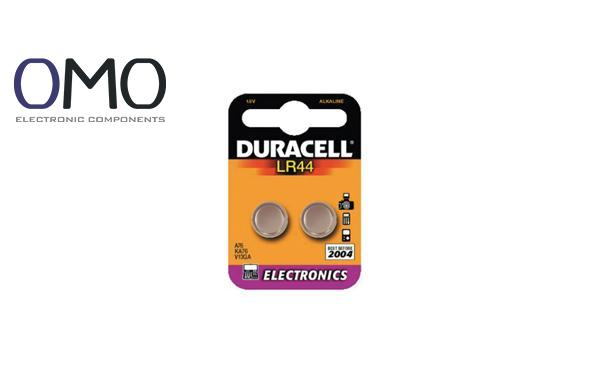
From student calculators to home kitchen scales, LR44 fits over 20 types of devices with its standard size:
The mercury-free version is ISO13485 certified:
Medical Device Compatibility List:
Comparison tests show:
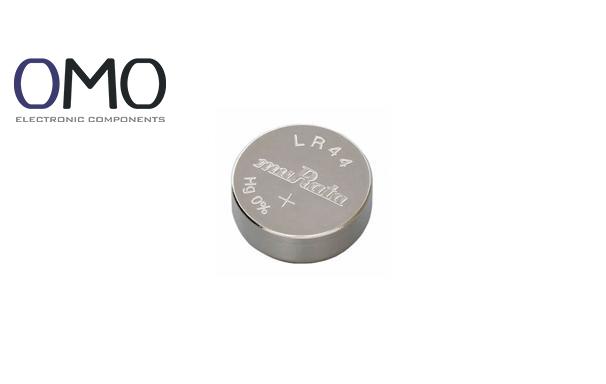
Uses a triple protection design:
| Replacement Model | Voltage | Capacity | Recommended Use |
| SR44 | 1.55V | 200mAh | Medical Devices |
| AG13 | 1.5V | 150mAh | Children's Toys |
| CR2032 | 3V | 240mAh | Needs voltage converter |
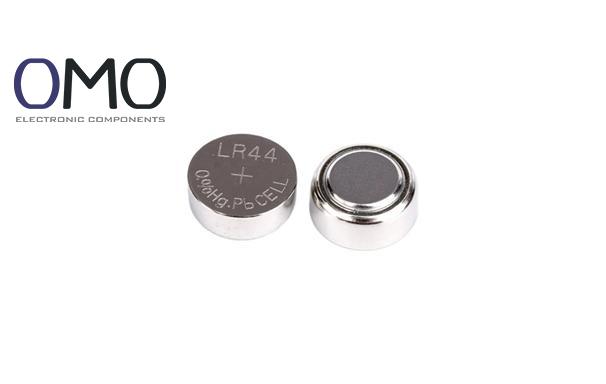
Choose the best option based on your device needs:
Both LR44 and 357 batteries share identical dimensions (5.4mm diameter × 11.6mm height). The 357 model uses silver oxide chemistry with a nominal voltage of 1.55V, whereas the LR44 employs alkaline technology rated at 1.5V. Silver oxide batteries typically deliver 30% to 100% longer service life and maintain more stable voltage output throughout their lifespan. Their discharge endpoint occurs at 1.2V, compared to alkaline batteries which drop to 1.0V at depletion. The silver oxide variant demonstrates superior voltage consistency until complete discharge.
LR44 batteries are commonly utilized in numerous compact electronic gadgets and playthings, such as gaming devices, miniature toys, and various entertainment-oriented electronics.
The LR44 lithium battery is not designed for recharging. As a primary (single-use) cell, it's intended to be discarded once fully depleted. Recharging attempts may lead to hazardous consequences, including electrolyte leaking, rupture, or potential harm to both the cell and the equipment it operates. Unlike rechargeable batteries, its chemistry isn't compatible with energy restoration processes.
Appropriate substitutes for the LR44 battery include the Duracell 76A, Energizer A76, and AG13 cells. These models share identical specifications with the LR44, differing solely in their manufacturer-assigned designations. All listed batteries are fully compatible and may be employed interchangeably in devices requiring LR44 power sources.