
By Lithium Cell 1760
| Parameter | CR2025 | CR1616 |
| Diameter (mm) | 20 | 16 |
| Thickness (mm) | 2.5 | 1.6 |
| Volume (mm³) | ≈785 | ≈322 |
As shown in the data, the volume of CR2025 is 2.4 times that of CR1616, which directly affects device compatibility. For example, ultra-thin watches can only accommodate CR1616, while motherboard BIOS battery slots require CR2025 for stability.
A bar chart provides a clear comparison:
Although both have a nominal voltage of 3V, load tests show:
This means high-power devices (such as GPS trackers) should prioritize CR2025.
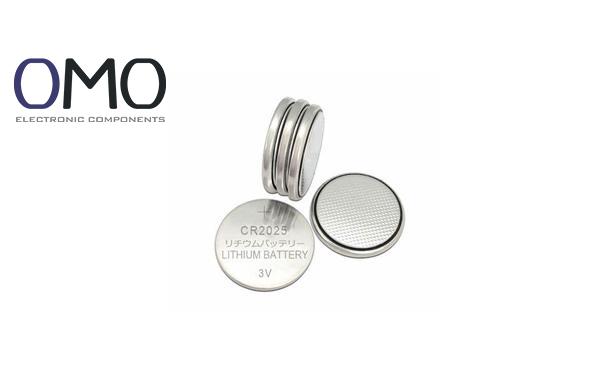
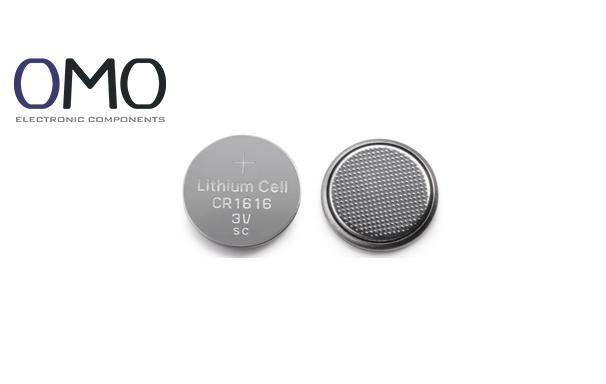
Both batteries use Lithium-Manganese Dioxide (Li-MnO₂) chemistry, but their processes differ:
| Item | Requirement |
| Temperature | -20℃~50℃ (avoid direct sunlight) |
| Leakage Handling | Neutralize with baking soda + water (1:10 ratio) |
| Brand | CR2025 Advantages | CR1616 Advantages |
| Panasonic | Capacity deviation ±2% | 0.1mm ultra-thin design |
| Chanyun | Graphene conductive layer | QR code verification system |
To comprehensively evaluate the CR2025 battery's electrochemical performance for device compatibility, the procedure involves utilizing a digital multimeter to assess voltage, current flow, and internal resistance. Instantaneous current measurements should be captured using clamp meter probes, while discharge duration tests must be conducted across varying temperature conditions. This systematic approach ensures thorough validation of the battery's operational parameters and thermal resilience.
CR1616 and CR1632 batteries are not interchangeable despite sharing the same diameter. These battery types differ significantly in thickness, electrical capacity, and current rating specifications, making them suited for different applications. Notably, the CR1616's lower internal resistance enables higher maximum current output, which may compromise safety in devices designed for CR1632 batteries. Their distinct physical dimensions and electrical characteristics ultimately determine their respective usage scenarios.
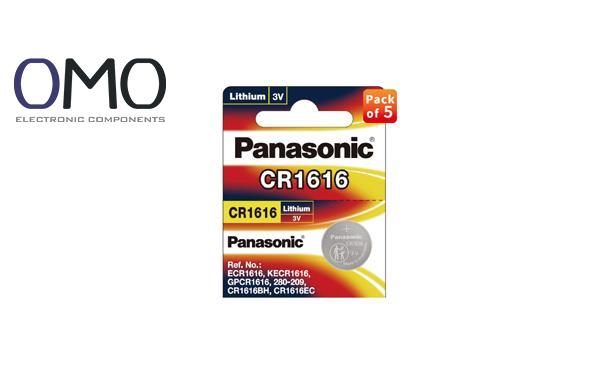
The CR1616 is a lithium-based button cell battery employing a manganese dioxide (Li-MnO₂) chemistry. Compatible alternatives to this battery model encompass various equivalents such as BR1616, DL1616, LM1616, ECR1616, DL 1616B, CR1616-1W, KCR1616, 5021LC, 280-209, L11, and L28, among others. These interchangeable power cells share similar specifications and dimensions with the CR1616, making them suitable replacements for compatible devices.
The CR1616 represents a standardized 3-volt lithium coin cell battery, characterized by its compact dimensions and chemistry type. Designed for space-constrained electronics, this battery configuration delivers extended operational longevity and superior energy capacity, making it ideal for applications requiring reliable power in miniature form factors.
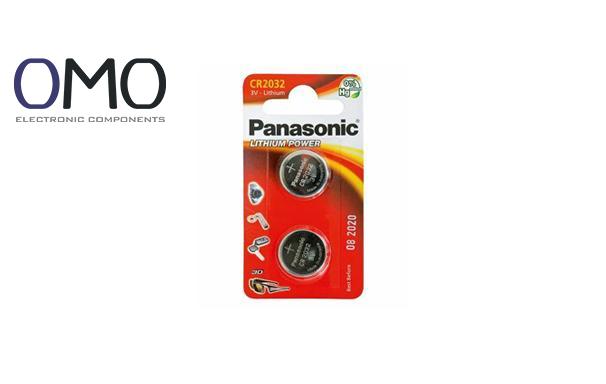
CR2032 batteries maintain consistent dimensions and electrical specifications, enabling their use across various electronics such as vehicle key remotes, portable calculators, medical devices (including pulse trackers and blood sugar meters), wristwatches, and other compact digital equipment. Their standardized design ensures interoperability with numerous small-scale technological applications.